Table of Content
Most importantly, check with the local police department if the neighborhood is marked as a low-crime area. The due diligence period gives the homebuyer the opportunity to identify any potential issues or problems with the home that could compromise the purchase. It also gives the buyer the chance to back out of the transaction if certain contingencies aren’t met.

This could be for a business, educational opportunity, or major purchase like a car or home. You should also look at bigger community concerns that may have an influence, such as if your property is in a flood zone or near a natural disaster. All of these things might drive you to revisit discussions with the seller or, if you're still unhappy, to walk away. Here’s a checklist of what you’ll want to scrutinize before closing the deal.
Hire a Home Inspector to Scrutinize the House Before the Close of the Deal:
Keep in mind in most neighborhoods; there are going to be minor nuisances. The local police should be able to give you a good handle on crime rates in the area. Your lender should be sending out someone who will be doing a survey of the property.
If so, it may be advisable to have an environmental site assessment to ensure there are no health hazards. Part of your due diligence process should be visiting the home at different times and on other days. If you have kids, you might want to check the National Sex Offender Registry. Anyone can search the registry to learn about sex offenders that are registered in their area.
Due Diligence When Buying a House
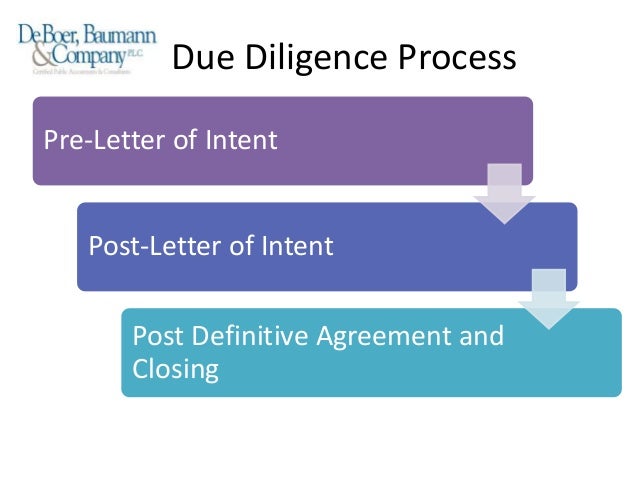
Due diligence also includes all of the steps of the escrow process, after the buyer has made an offer and is working toward closing. Due diligence when buying a home is the period leading up to closing — when the buyer is conducting research on the property, neighborhood, and the home-buying transaction process. A local realtor from Jeff Cook Real Estate can help you understand more about the area and what specific insurance provisions may be required. In some areas, you may be required to obtain specific flooding insurance in addition to your homeowners insurance policy. Depending on how you plan to use the property, you may need other forms of property insurance. Often, you can cancel the deal during this time if too many problems are discovered.
Pricing out repairs – You’ll want to get the home inspection done ASAP so you can start factoring the cost of repairs into your final purchase decision. Swee Ng is a participant in affiliate advertising program designed to provide a means for sites to earn advertising fees by advertising. Swee Ng has affiliate relationships with other companies, people and brands and when you click a link and make a purchase, he may receive a direct benefit. Receive email alert as soon as a Phoenix property matching your criteria hits the market.
Read Our Homebuying Glossary
That’s nice, but you aren’t just buying the nice parts – you are buying it all. Besides keeping your earnest money deposit, a seller can take legal action against you to recover any money that he or she loses by cancelling the home sale. In extreme situations, a seller can ask a judge to force a buyer to go through with a sale. Keep in mind that there are multiple deadlines in the Contract to Buy and Sell that give you the right to object, ask for corrections, and/or walk away without losing earnest money. Time is of the essence to keep up with these deadlines while doing your research. Remember, your real estate team is by your side every step of the way.
Due diligence is normally 10 days, whereas the appraisal contingency period determines the time in which you need to have your appraisal back by (this is typically about days). Due diligence is a part of every real estate transaction and it’s important to know what it’s for and how it can affect the transaction. Here’s everything you need to know so that you can be prepared for your home purchase. Sellers — consider a pre-inspection — since you could get a higher fee if more is known about the property, giving buyers more info on the house can give them more confidence. Buyers, don’t call an agent the day you want to make an offer. It’s going to be hard to swallow the idea of writing a huge check when you haven’t built trust with your agent.
The couples were disappointed quite a few times as they did not realize how different condo life could be. Settling encroachment issues before buying is essential because they can be much harder to fix after you are the owner. One of the critical aspects of buying a home is learning all you can about the neighborhood. The neighbors may have information about the property and the neighborhood that you want to know before buying. You could learn something that changes your perspective on owning and living in the property.

While most towns will allow for permits once a violation is discovered, some will not. Using Google is one of the best tools for due diligence on anything. You can certainly Google the address of any property and see if anything unusual comes up.
The HOA may prohibit many activities and have various rules, such as no fences or no chickens on your property. If the HOA prohibits an activity that is important to you, you may change your mind about purchasing that home. Buying a home, especially for the first time, can seem like an impossible endeavor. Once you find a quality realtor to assist you in your home search, you can use their guidance to seek out neighborhoods that fit your needs and lifestyle.
Once you’ve gotten this, and checked its accuracy, inquire about title insurance. This will protect you against unexpected problems that weren’t discovered in the initial title search. If any are found after closing, and you have title insurance, then the title company has to pay it. In many states, a seller’s disclosure statement is a requirement when selling a home.
If you are getting a home loan, the mortgage company will certainly require you to have flood insurance when located in a flood zone. While selling real estate for the past thirty-five years, I’ve come to realize just how many homeowners fail to pull required permits. Many homeowners are not aware of all the defects in their homes. Whatever issues were present when they purchased the house may have been fixed or may have been forgotten. At this point, you should be researching everything you can about the history of a house. During the due diligence period, your job will be to uncover any defects or other imperfections that may cause you to reconsider the purchase decision.




No comments:
Post a Comment